
From College Athletes to Corporate Executives: Lessons from 100+ Elite Clients
From College Athletes to Corporate Executives: Lessons from 100+ Elite Clients
Over 27 years and 18,000+ training hours, I've had the privilege of working with an incredibly diverse group of high performers. From Division I athletes maintaining their edge post-competition to C-suite executives preparing their bodies for the demands of leadership, the patterns that separate those who thrive from those who merely survive have become crystal clear.
Here's what I've learned from helping elite clients build bodies that perform when it matters most.
The Performance Paradox
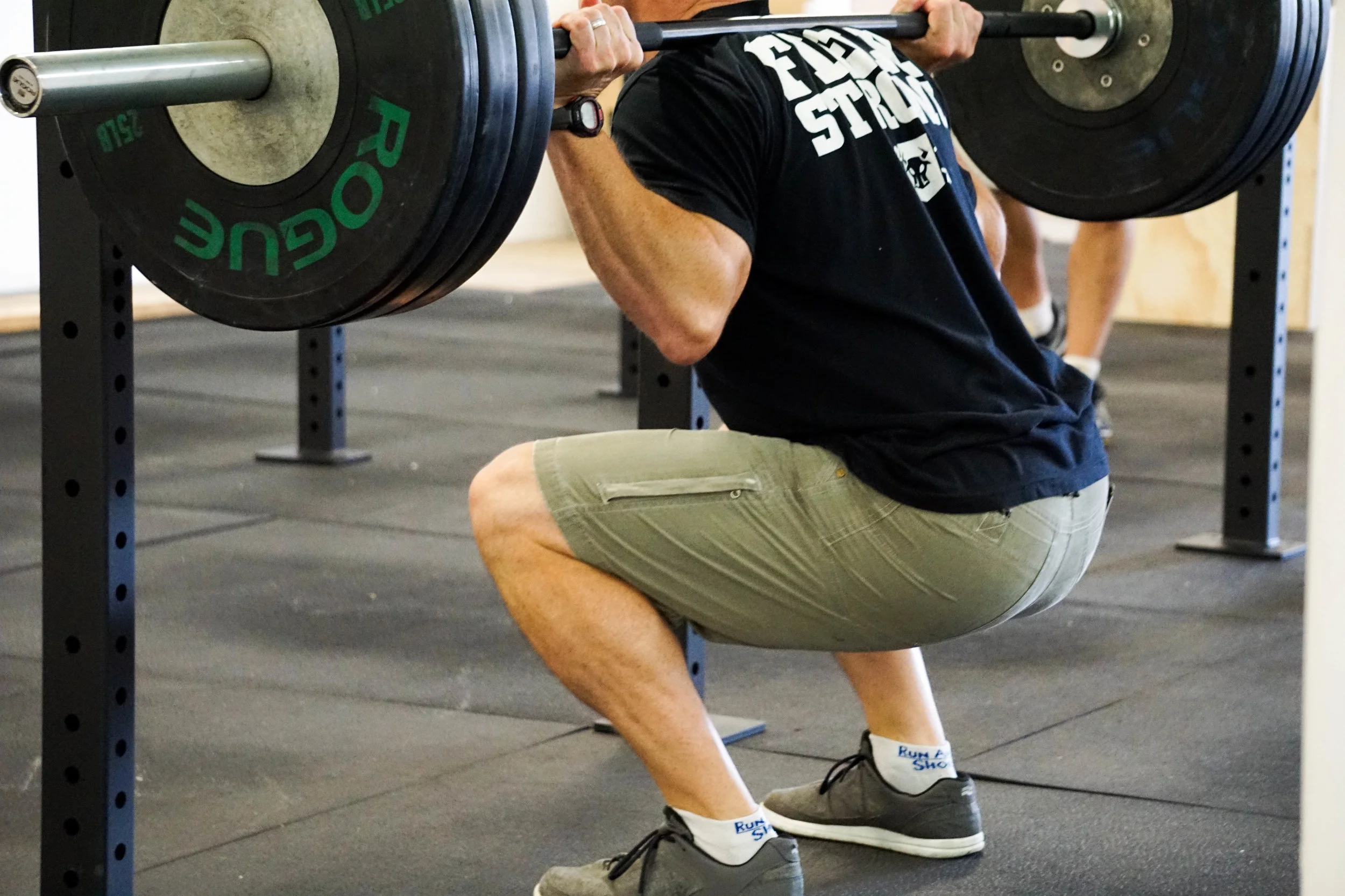
The college athlete walks in with impressive numbers—a 405-pound back squat, sub-5-minute mile, vertical jump that would make most people jealous. The executive arrives with a resume that commands respect and a schedule that would break most people.
Yet both often struggle with the same fundamental issue: their bodies can't handle what real life throws at them.
The athlete can squat heavy but can't move around without back pain. The executive can run a marathon but gets winded carrying groceries up stairs. They've optimized for specific performance metrics while neglecting the movement patterns that matter most in daily life.
This is the performance paradox—excelling in narrow domains while struggling with functional, real-world demands.
What Elite Performers Actually Need
After training everyone from former college rugby players to venture capital partners, I'm not here to dismiss the value of metrics or elite performance. Numbers matter. Tracking progress matters. The discipline that drives athletic excellence is invaluable.
But here's what I've learned: the transition from hyper-fit, elite performance activities to training for strength, capability, and longevity—that's the sweet spot most high performers are actually seeking.
The college athlete who ran a 4.4 forty doesn't need to abandon their competitive drive. They need to redirect it toward building a body that performs exceptionally well at 45, 55, 65. The executive who's never trained seriously doesn't need to apologize for starting late. They need to embrace that they're actually ahead of the curve—they get to build capability without first having to unlearn destructive training patterns.
Movement quality becomes paramount. Metrics remain important—but different metrics.
Instead of:
Maximum lift numbers → Can you move well under varying loads?
Fastest mile time → Can you sustain effort across different demands?
Aesthetic benchmarks → Does your body feel as capable as it looks?
Single-sport performance → Can you handle diverse physical challenges?
This isn't about lowering standards. It's about raising them to include what actually matters: a body that moves well, recovers efficiently, handles stress effectively, and keeps getting stronger across decades instead of peaking and declining.
The Seven Patterns That Matter
Whether I'm working with a former All-American athlete or a 50-year-old CEO discovering strength training for the first time, we come back to the same seven fundamental movement patterns:
Squat and Hinge - The foundation of getting low and picking things up
Lunge - Single-leg strength that translates to stairs, hills, and real-world stability
Step - Getting up and down from the ground, accessing different levels
Push and Pull - Upper body strength that shows up everywhere from opening doors to weekend projects
Rotation - The power pattern most conventional programs completely ignore
Carry - Moving loads, moving through space with purpose
Master these patterns with progressive intensity, and you build a body that's genuinely adventure-ready. These movements form the foundation for both performance AND longevity—the rare combination that keeps you strong and capable for life.
What College Athletes Teach Us
The most successful transitions I've seen from competitive athletics to "real life" happen when athletes shift their identity from "performer" to "capable human."
The football player who learns to value how their body feels moving through a day more than how much they can lift. The track athlete who discovers that training for life's demands is more fulfilling than chasing times they set a decade ago. The basketball player who finds new purpose in building strength that serves them in every domain.
These athletes already have discipline, work capacity, and body awareness. What they need is permission to train differently—to value capability over performance metrics.
What Executives Teach Us
Corporate leaders teach me the opposite lesson. They often arrive apologizing for their fitness level, as if their lack of a gym routine diminishes their worth.
Then they proceed to demonstrate incredible discipline, consistency, and strategic thinking once they understand what they're training FOR.
The best executive clients don't treat fitness as another box to check. They recognize their body as the vehicle for everything else they want to accomplish. They invest in movement the same way they invest in their professional development—strategically, consistently, with clear purpose.
They teach me that you don't need hours in the gym. You need intelligent programming, consistent execution, and a clear understanding of why you're doing what you're doing.
The Common Ground
Whether you're a former athlete or someone who's never set foot in a weight room, the path to a capable, resilient body follows the same principles:
Train movements, not muscles. Your body doesn't work in isolation—neither should your training.
Build capacity across domains. Strength without mobility is limited. Cardio without strength is incomplete. Power without control is dangerous.
Test yourself in the real world. Can you help a friend move? Hike a mountain with your family? Play with your kids? Say "yes" to an unexpected physical challenge? That's the test that matters.
Progress consistently, not dramatically. Small improvements compounded over time beat dramatic efforts followed by burnout.
Stay curious about what your body can do. The best clients—regardless of background—maintain a sense of exploration and possibility.
The Real Elite
After training hundreds of high performers, I've learned that "elite" isn't about your athletic resume or professional title. It's about how intentionally you prepare your body for the life you actually want to live.
The truly elite client is the one who shows up consistently, moves with purpose, challenges themselves appropriately, and builds a body that serves them across all domains of their life.
That's equally accessible whether you're a former Division I athlete or someone just beginning to take their physical capability seriously.
Your Next Move
The question isn't whether you have an athletic background or an impressive fitness resume. The question is: what do you need your body to do?
Once you answer that honestly, we can build the training program that gets you there—one that respects your time, honors your goals, and creates genuine capability that shows up when you need it most.
That's what 27 years and 18,000 training hours have taught me. And that's what I bring to every client who's ready to train with purpose.
Ready to build a body that performs in real life? Let's talk about what elite training looks like for you. Schedule your free consultation at MaxmeadFitness.com.